1) The export channel is still open, but it is no longer equally open for every cargo.
Reuters reported in late May that China's rolled-steel exports in the first four months of 2026 fell 9.7% year on year to 34.2 million tonnes. That is not a shutdown signal. It is a reminder that the broad-volume momentum of last year is giving way to a narrower market where product lane, destination fit, and commercial cleanliness increasingly decide which orders remain workable.
路透社在 5 月下旬报道称,中国 2026 年前四个月轧钢出口同比下降 9.7%,至 3420 万吨。这并不是“出口关闭”的信号,而是在提醒市场:去年的大体量出口惯性,正逐步转向一个更窄、更挑剔的市场环境,产品通道、目的地匹配度和商业路径是否干净,越来越决定哪些订单还能顺利成交。
2) OECD is warning that excess capacity and trade action are now moving together.
The OECD's Steel Outlook 2026 makes the backdrop clear: global demand remains weak, excess capacity is still rising, and trade countermeasures are spreading faster across markets. For finished-steel buyers, that means available Chinese supply is not the same thing as low-risk Chinese supply. Cargo can still move, but the friction around product category, destination market, and compliance expectations is getting heavier.
OECD《2026 钢铁展望》给出的背景很明确:全球需求依旧疲弱,过剩产能仍在上升,贸易反制措施也在更快地向不同市场扩散。对成品钢买家而言,这意味着“有中国供应可买”并不等同于“低风险地从中国采购”。货物依然可以出口,但围绕产品类别、目的地市场和合规预期的摩擦,已经明显加重。
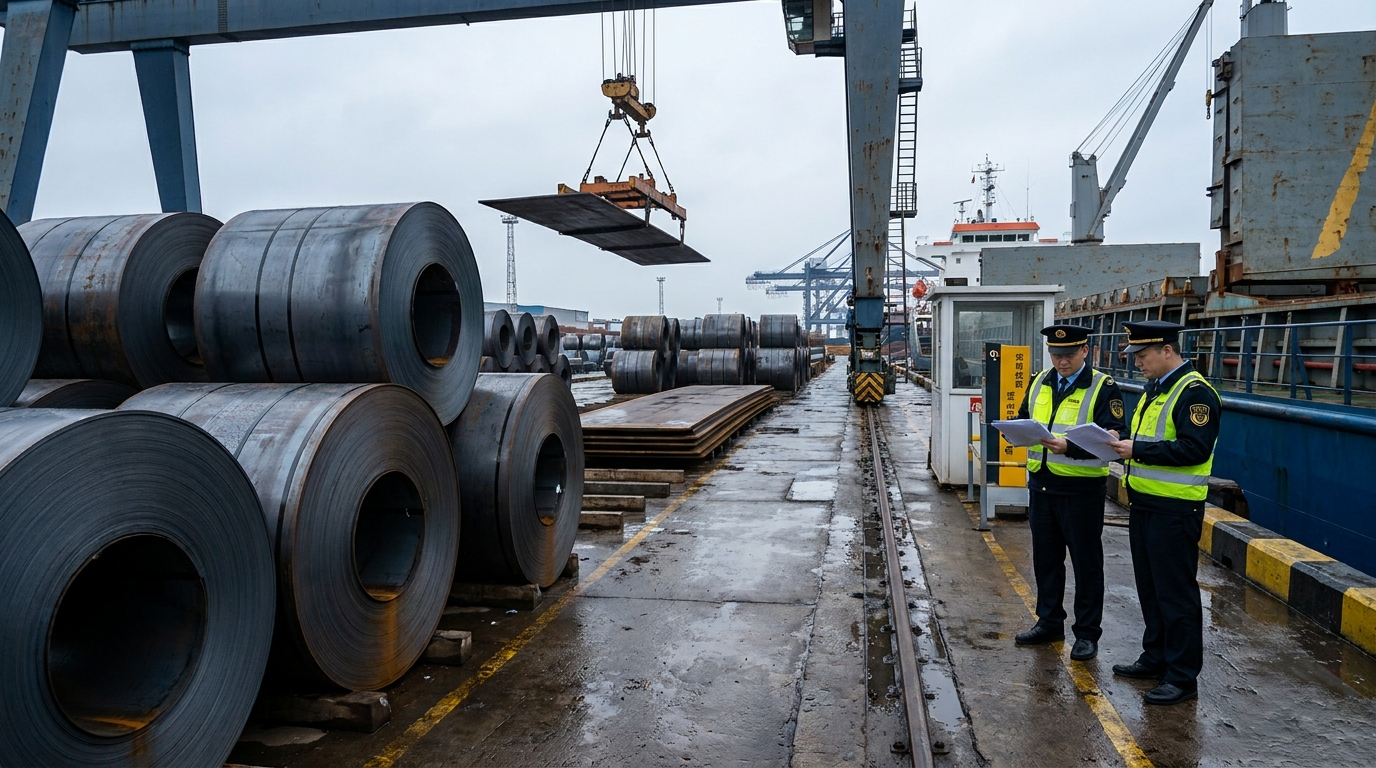
3) Port execution is becoming part of the product offer itself.
In a narrower export window, the practical advantage no longer comes only from price. It comes from whether the order can move through booking, documents, loading, and arrival without creating avoidable delay or scrutiny. That is why port discipline matters more now: buyers should treat specification clarity, shipping papers, booking sequencing, and destination screening as part of the product decision rather than as back-office cleanup after the deal is closed.
在更窄的出口窗口里,真正的优势已经不再只来自价格,而来自订单能否在订舱、单证、装船和到港环节中,尽量避免不必要的延误与审查。这也是为什么“港口执行纪律”比以前更重要:买家应把规格清晰度、单证完整性、订舱顺序以及目的地筛选,都视为产品决策的一部分,而不是成交后再由后台补救的问题。
4) The June takeaway is to buy by lane quality, not by headline quote.
For June orders, the more dependable strategy is to separate opportunities by route quality and downstream sensitivity. Standard finished-steel cargoes can still work well when the destination is commercially clean and the paperwork path is disciplined. But buyers should be more skeptical of quotes that look interchangeable across markets, because in the current environment the difference between a good shipment and a troublesome one is often created long before the cargo reaches the vessel.
对 6 月订单来说,更可靠的策略是按“线路质量”和“下游敏感度”来拆分机会。若目的地在商业上相对干净,且单证路径更有纪律,标准成品钢货物依然可以顺利执行。但买家应对那些看似可以在不同市场间随意切换的报价保持更高警惕,因为在当前环境下,“一票好货”和“一票麻烦货”的差别,往往在货物上船之前就已经形成。