1) May's export rebound changes the operating backdrop for steel cargo.
The General Administration of Customs published May 2026 trade tables showing a stronger overall export month, while Reuters and CNBC both highlighted that China's May exports rose 19.4% year on year in U.S. dollar terms. For steel buyers, the key implication is indirect but important: when the broader export machine speeds up, the tolerance for slow booking decisions and loose shipment preparation usually falls.
海关总署发布的 2026 年 5 月贸易统计表显示,当月整体出口表现更强,而 Reuters 与 CNBC 的解读都提到,中国 5 月以美元计出口同比增长 19.4%。对钢材买家来说,最重要的含义并不是钢价本身,而是当更广泛的出口体系开始加速时,订舱犹豫和发运准备松散所能被容忍的空间通常会同步缩小。
2) Steel shipments have to compete inside a busier export system.
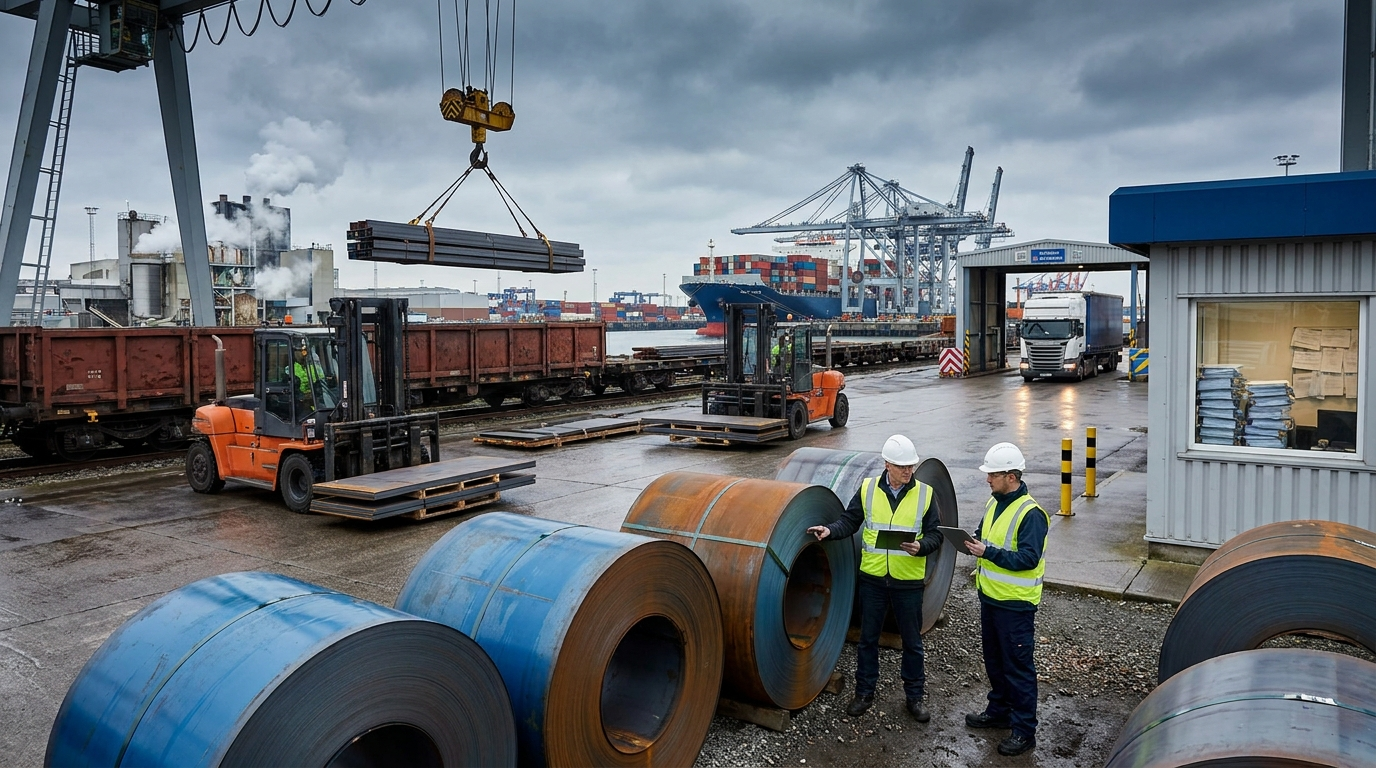
Customs also published May major-export tables, reminding buyers that steel cargo is moving inside a national export mix that includes many other fast-moving product categories. That does not mean steel cannot move well. It means coil, plate, section, and pipe orders benefit more from early vessel planning, more exact packaging lists, and a cleaner handoff between mill, yard, forwarder, and customs filing teams.
海关同时发布了 5 月主要出口商品统计,这提醒买家:钢材货物并不是孤立运行的,而是处在一个由多类强势外运品共同组成的全国出口结构中。这并不意味着钢材难以发出,而是意味着卷材、中厚板、型钢和钢管这类订单,会更依赖更早的船期规划、更准确的包装清单,以及钢厂、货场、货代和报关团队之间更干净的交接。
3) Strong exports do not remove lane-specific trade and compliance friction.
A stronger export month also should not be confused with universally open market access. Even when broad trade numbers improve, destination-specific scrutiny, product-path sensitivity, and remedy exposure still shape which steel lanes remain commercially clean. A deal can look workable at offer stage but become fragile later if the specification trail, declared product category, or shipment documents are not aligned from the start.
同样需要明确的是,出口总量回升并不等于所有目的地都同时变得顺畅。即使整体贸易数字改善,目的地审查、产品路径敏感度和贸易救济暴露仍会决定哪些钢材通道真正“干净”。有些订单在报价阶段看起来完全可做,但如果规格链条、申报品类或发运文件从一开始就没有对齐,后续执行就会迅速变得脆弱。
4) June buying discipline should start before the cargo reaches port.
The practical June takeaway is to treat steel export execution as a front-loaded process. Buyers should confirm destination fit before confirming tonnage, reserve realistic loading windows earlier, and lock down classification and documentation before the cargo reaches port. In a busier export month, those habits matter more than saving a few dollars per tonne on a quote that later struggles to ship cleanly.
对 6 月业务而言,更实用的结论是把钢材出口执行前移。买家应在确认吨位前先核对目的地适配度,更早锁定现实可行的装运窗口,并在货物到港前把归类与单证尽量定实。在整体出口更繁忙的月份里,这些动作往往比在报价上节省几美元每吨,更能决定一票货是否真正顺利发走。