1) May momentum is real, but it is not equally useful across every steel lane.
Stronger trade data gave the market a short-term confidence boost, and that matters for Chinese steel suppliers. But buyers should not read a better May as permission to treat every product lane the same way. Some orders still move cleanly. Others are now more exposed to compliance checks, destination sensitivity, or route frictions that can undo the advantage of a good opening price.
更强的贸易数据确实给市场带来了短期信心,这对中国钢材供应商很重要。但买家不能把一个更好的 5 月,理解成所有产品通道都能用同样方式去做。有些订单仍然可以顺畅推进,另一些则更容易暴露在合规检查、目的地敏感性或路线摩擦之下,最终抵消掉起始报价的优势。
2) Export mix now matters more than export mood.
The more practical question is not whether Chinese steel is still exportable. It is which mix of plate, coil, section steel, or pipe is best matched to the current market window. In a higher-friction environment, more specification-driven and better-documented orders usually travel more safely than generic volume chasing. That turns export mix into a risk-management decision rather than a pure sales decision.
更实际的问题已经不是“中国钢材还能不能出口”,而是当前窗口里哪一种中厚板、卷材、型材或钢管组合,更适合现在的市场环境。在摩擦更高的环境里,规格更明确、单证更完整的订单,通常比泛化的大吨位追单更安全。这让出口结构从销售决策,变成了风险管理决策。
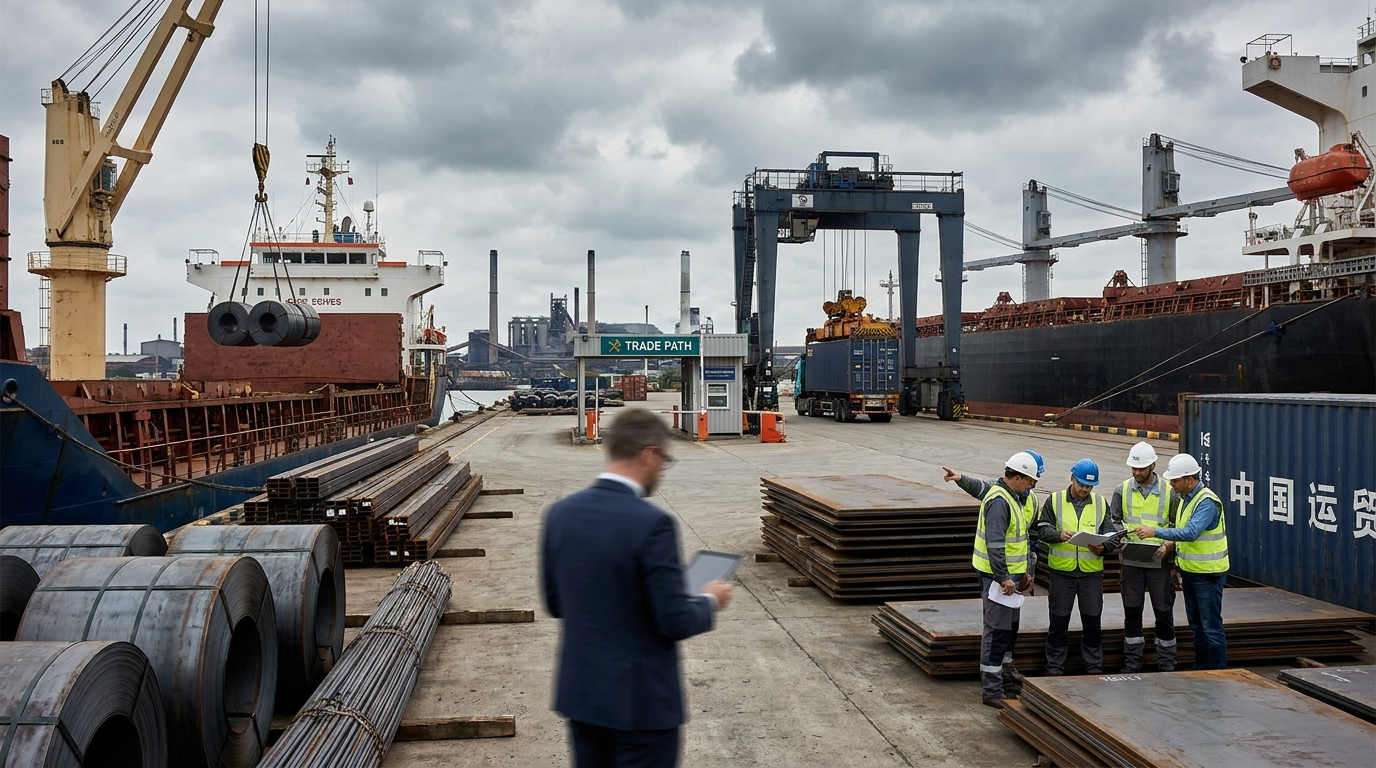
3) The cleaner the trade path, the easier it is to preserve May's momentum into delivered business.
That is why buyers now benefit from narrowing the order before shipment: clearer product scope, earlier destination screening, and tighter documentation discipline. May momentum created opportunity, but June execution decides whether that opportunity stays profitable. The cleaner the trade path, the more likely the cargo is to convert from quotation into a dependable delivered result.
这也是为什么买家现在需要在发运前把订单收得更紧:更明确的产品范围、更早的目的地筛查,以及更严格的单证纪律。5 月的回升创造了机会,但 6 月的执行决定这份机会是否还能保持利润。交易路径越干净,货物就越可能从报价转化为可依赖的交付结果。