1) Export flow is still active, but destination tolerance is visibly lower.
Tavily's current query set around China steel exports and trade friction points to the same practical conclusion: Chinese supply is still moving, but overseas tolerance for broad, low-screened inflows is getting thinner. Recent reporting around the G7 discussion cycle shows Europe is increasingly worried about another wave of Chinese exports into already sensitive industrial sectors. For finished-steel buyers, that means the commercial question is no longer whether China can ship, but which product lanes and destination markets remain workable without adding avoidable policy risk.
从 Tavily 当前围绕中国钢材出口和贸易摩擦的搜索结果来看,结论很清晰:中国供应并没有停,但海外市场对“低门槛、大范围流入”的容忍度正在下降。围绕 G7 讨论周期的最新报道表明,欧洲对新一轮中国出口冲击的担忧正在上升。对成材买家来说,关键问题已经不是“中国还能不能发货”,而是哪些产品通道、哪些目的地市场,仍然可以在不额外放大政策风险的前提下稳定执行。
2) Trade friction is becoming a product-mix problem, not just a tariff headline.
The harder part of this market is that friction is no longer abstract. When policymakers talk about cheap Chinese exports, buyers of plate, coil, section steel, and pipe should hear a warning about product sensitivity and downstream scrutiny. A cargo that looks commercially attractive on price can become slower, more expensive, or less bankable if the destination market is moving toward stronger trade defenses. In that setting, higher-value or more specification-driven orders tend to remain more manageable than generic volume chasing.
更难处理的是,这种摩擦已经不是抽象的政策背景。当政策层面频繁提到中国低价出口时,中厚板、卷材、型材和钢管买家需要把它理解为产品敏感度和下游审查强度正在上升。一个表面上价格很有吸引力的货盘,如果落在贸易防御趋严的市场中,可能很快变成更慢、更贵、甚至更难融资的订单。在这种环境下,高附加值、规格更明确的订单,往往比单纯追求大吨位更容易保持可执行性。
3) Execution discipline is now where buyers protect margin and timing.
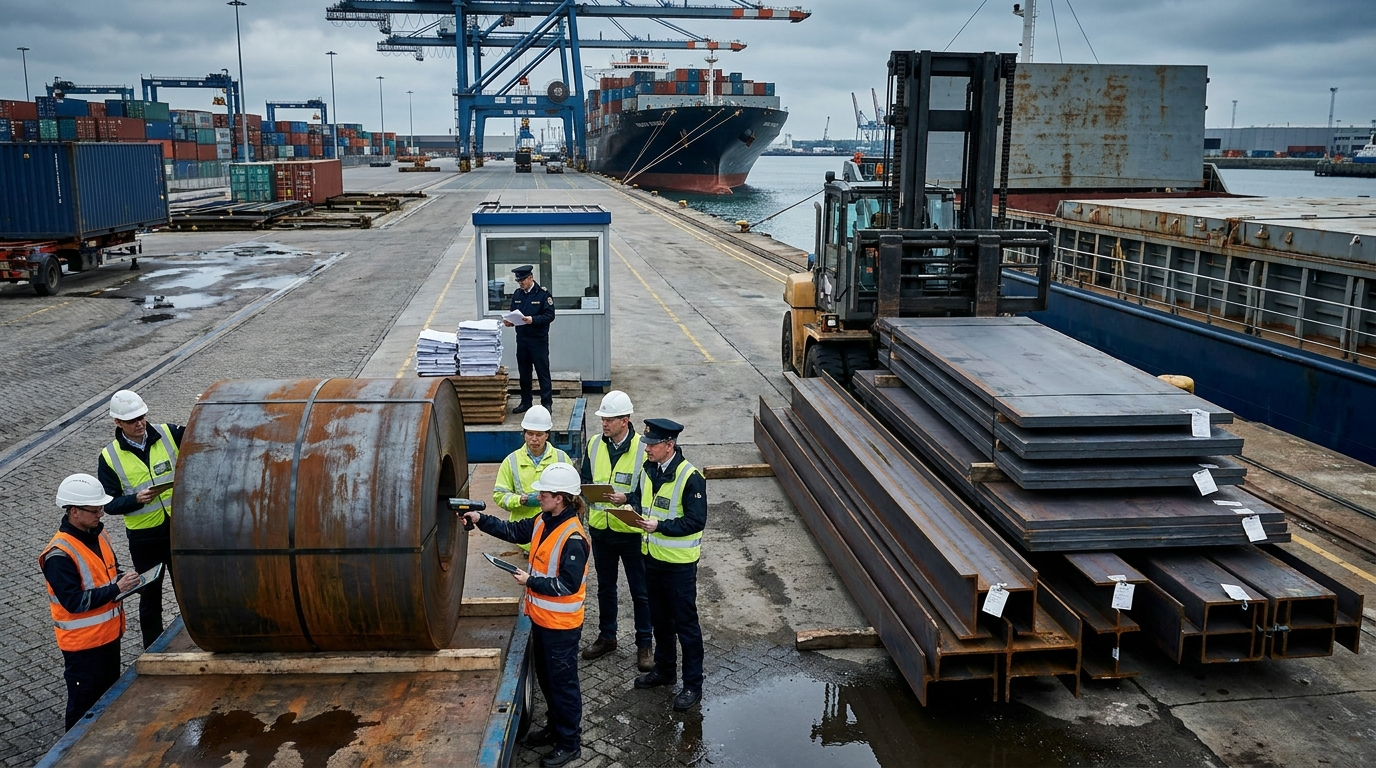
This is why port and documentation discipline matter more than before. Buyers who still capture value from Chinese supply are usually the ones narrowing the order before loading: confirming specification detail early, screening the destination's trade posture, matching packing and port handling to the cargo type, and avoiding last-minute paperwork surprises. In a trade environment that is screening harder, operational cleanliness becomes part of the product offer itself.
这也是为什么港口执行和单证纪律比以前更重要。当前仍能从中国供应中拿到稳定价值的买家,通常都在装船前就把订单收紧了:更早确认规格细节,提前判断目的地贸易环境,让包装、港口操作和货物属性相匹配,并尽量避免临近装船时才暴露出来的单证问题。在一个审查更严格的贸易环境里,执行质量本身已经成为产品竞争力的一部分。