1) China still has enough export scale to keep Europe relevant.
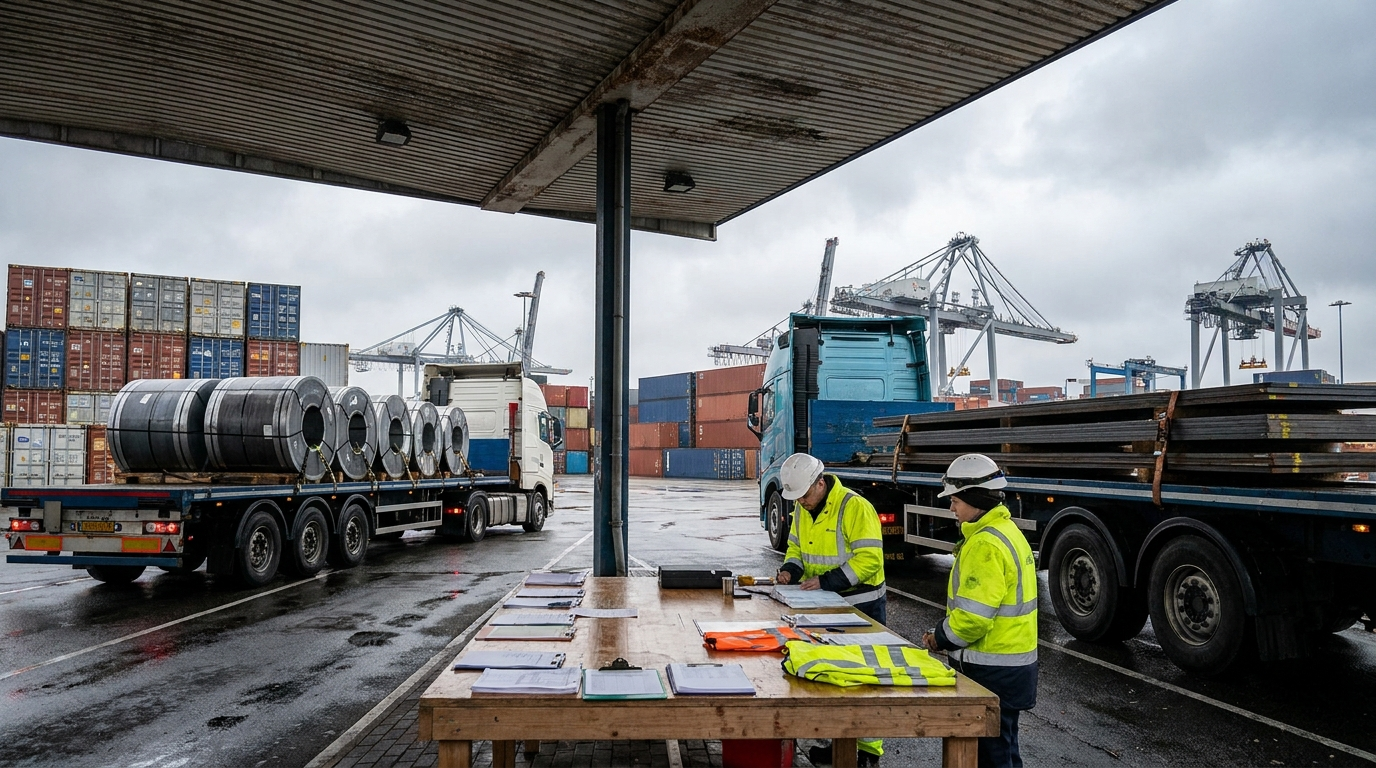
OECD's Steel Outlook 2026 is still the clearest scale reference. It says Chinese steel exports rose 13.8% in 2025 to a record 131.2 million tonnes, lifting China's share of world steel exports to 41%, even as world steel exports declined overall. That matters because it means Chinese supply is still available in size. The issue is no longer whether cargo exists, but whether the target lane still fits the buyer's end market and compliance path.
OECD《2026 钢铁展望》依然是判断规模最清晰的参照。报告指出,即使全球钢材出口整体下降,中国 2025 年钢材出口仍增长 13.8%,达到创纪录的 1.312 亿吨,占全球钢材出口的 41%。这说明中国供应在体量上依然充足。问题已经不再是“有没有货”,而是目标通道是否仍然匹配买家的终端市场与合规路径。
2) The EU is replacing the old safeguard with a materially tighter system.
On 8 June 2026, the Council of the EU adopted the new framework that replaces the current steel safeguard measure from 1 July 2026. The regulation reduces import quotas, raises out-of-quota duties, and adds a 'melt and pour' traceability requirement. In parallel, the European Commission said the new measure will set tariff-free quotas at 18.3 million tonnes per year, with a 50% duty on out-of-quota imports for 30 categories of steel products. That is a structural shift, not a cosmetic change.
2026 年 6 月 8 日,欧盟理事会通过了新的框架,该框架将从 2026 年 7 月 1 日起取代现有钢铁保障措施。新规减少了进口配额、提高了超配额关税,并加入了“熔炼与浇铸地”追溯要求。与此同时,欧盟委员会也说明,新机制将把免税配额设为每年 1830 万吨,对 30 类钢铁产品的超配额进口征收 50% 关税。这是结构性变化,不是表面微调。
3) China is already negotiating, which tells buyers the friction is real.
Reuters reported on 28 May 2026 that China is negotiating with the EU within the WTO framework over the bloc's new limits on duty-free steel imports. That matters for procurement because it confirms the issue is not only market sentiment. It is already a live trade-policy dispute. For buyers, that means Europe-bound steel now carries more policy timing risk, more destination scrutiny, and a higher penalty for vague routing or weak documentation.
路透社在 2026 年 5 月 28 日报道,中国正在 WTO 框架下就欧盟新的钢铁免税进口限制与欧方谈判。这个信号对采购很重要,因为它说明这不只是市场情绪变化,而已经成为真实的贸易政策摩擦。对买家来说,这意味着发往欧洲的钢材现在承担着更高的政策时点风险、更强的目的地审查,以及对模糊航线和薄弱单证更大的惩罚。
4) The practical move is to design for the July screen before you quote for Europe.
Europe is still workable for some orders, but not under lazy assumptions. Buyers need to check whether the product category falls into a more exposed quota bucket, whether the documentation chain can support traceability expectations, and whether the destination's commercial logic still justifies a Europe-bound route. The strongest orders are likely to be the ones with cleaner end-use logic, tighter paperwork, and a back-up plan outside the most crowded or politically sensitive lanes.
对某些订单来说,欧洲依然可做,但前提已经不是“按老经验走”。买家需要提前确认产品类别是否落入更敏感的配额桶,单证链是否能支撑新的追溯要求,以及该目的地的商业逻辑是否仍足以支撑走欧洲路线。更稳的订单,很可能是那些最终用途更清晰、单证更紧、并且在最拥挤或最敏感通道之外还准备了备选方案的订单。