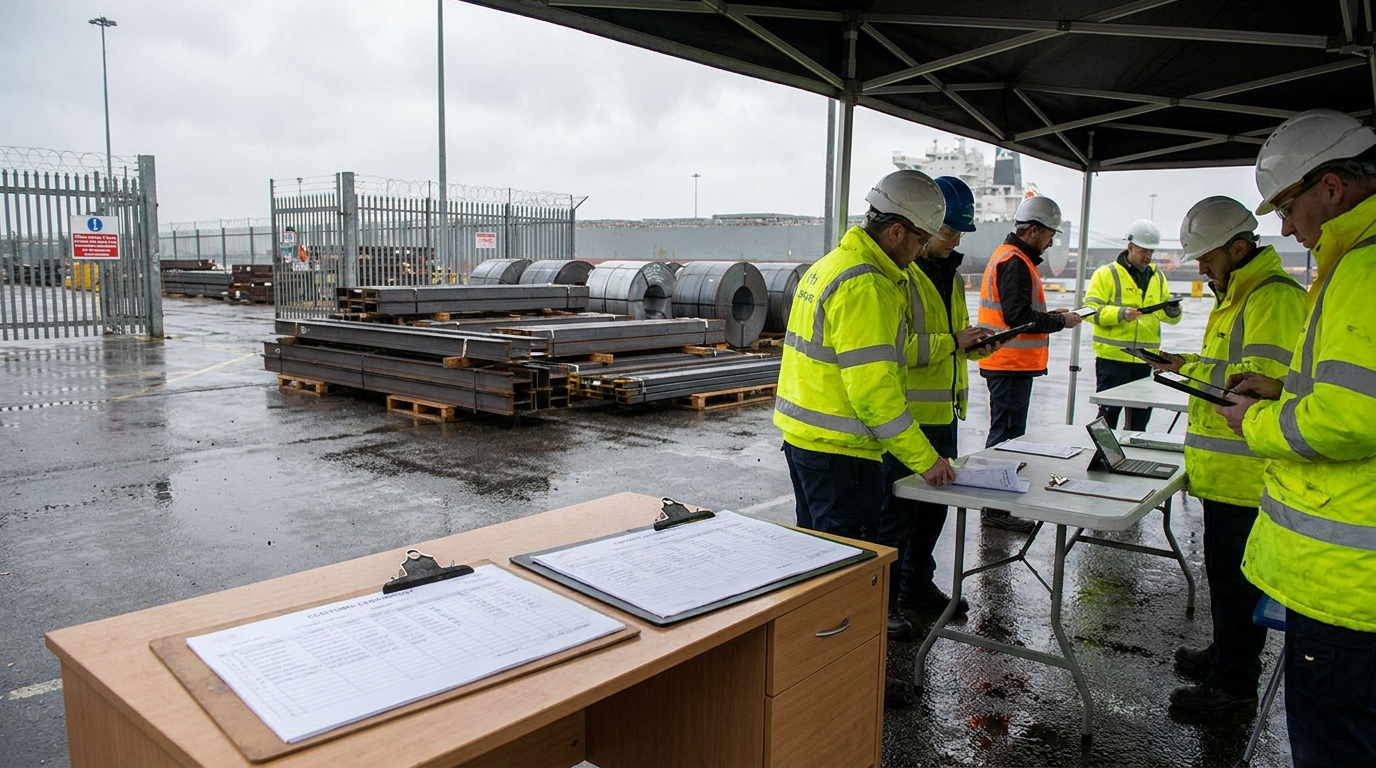
1) The approval chain is now part of the landed-cost model.
Buyers often think of internal approvals as administrative delay, separate from market risk. That is no longer true. If quota use, declaration timing, and file review are sensitive, then every extra day inside the buyer organization can change the commercial outcome. A slow internal yes can cost more than a small difference in supplier price.
很多买家过去把内部审批视为行政流程,觉得和市场风险是两回事。现在已经不是这样了。如果配额使用、申报节奏和资料审核都变得更敏感,那么买方组织内部多拖一天,就可能直接改变整票货的商业结果。一个内部确认慢下来的订单,带来的成本影响,可能比供应商报价差一点点还更大。
2) Importer coordination now needs to start before pressure arrives.
Better-performing teams are not waiting for the last operational push to align with importers and brokers. They are confirming who holds which file, who answers which clarification, and which step triggers the next action. That removes dead time at exactly the moment when the market is punishing hesitation.
表现更稳的团队,不会等到最后操作压力上来才和进口商、清关代理对齐。他们会提前确认:哪些资料由谁掌握、哪些解释由谁提供、哪个节点触发下一步动作。这样做的价值,在于把最容易浪费的空档时间提前消掉,而现在市场恰恰在惩罚这种犹豫。
3) Prepared buyers are now running a clock, not just a checklist.
A checklist says what must exist. A clock says when each item must already be ready. The stronger buyers in this market are shifting from compliance awareness to sequence management. They know that a correct document that arrives too late can still damage the deal.
清单只能告诉你“什么东西必须有”;时间钟表则会告诉你“这些东西必须在什么时候准备好”。现在更强的买家,已经从简单的合规认知转向顺序管理。他们知道,一份内容正确但到得太晚的文件,依然会伤害这单生意。
Takeaway
By day three, the UK's new steel regime is rewarding teams that manage internal approval speed, importer coordination, and document timing as one connected operating system.
到第三个执行日,英国新的钢铁机制已经开始奖励那些把内部审批速度、进口方协同和文件时间顺序当成一整套系统来管理的团队。