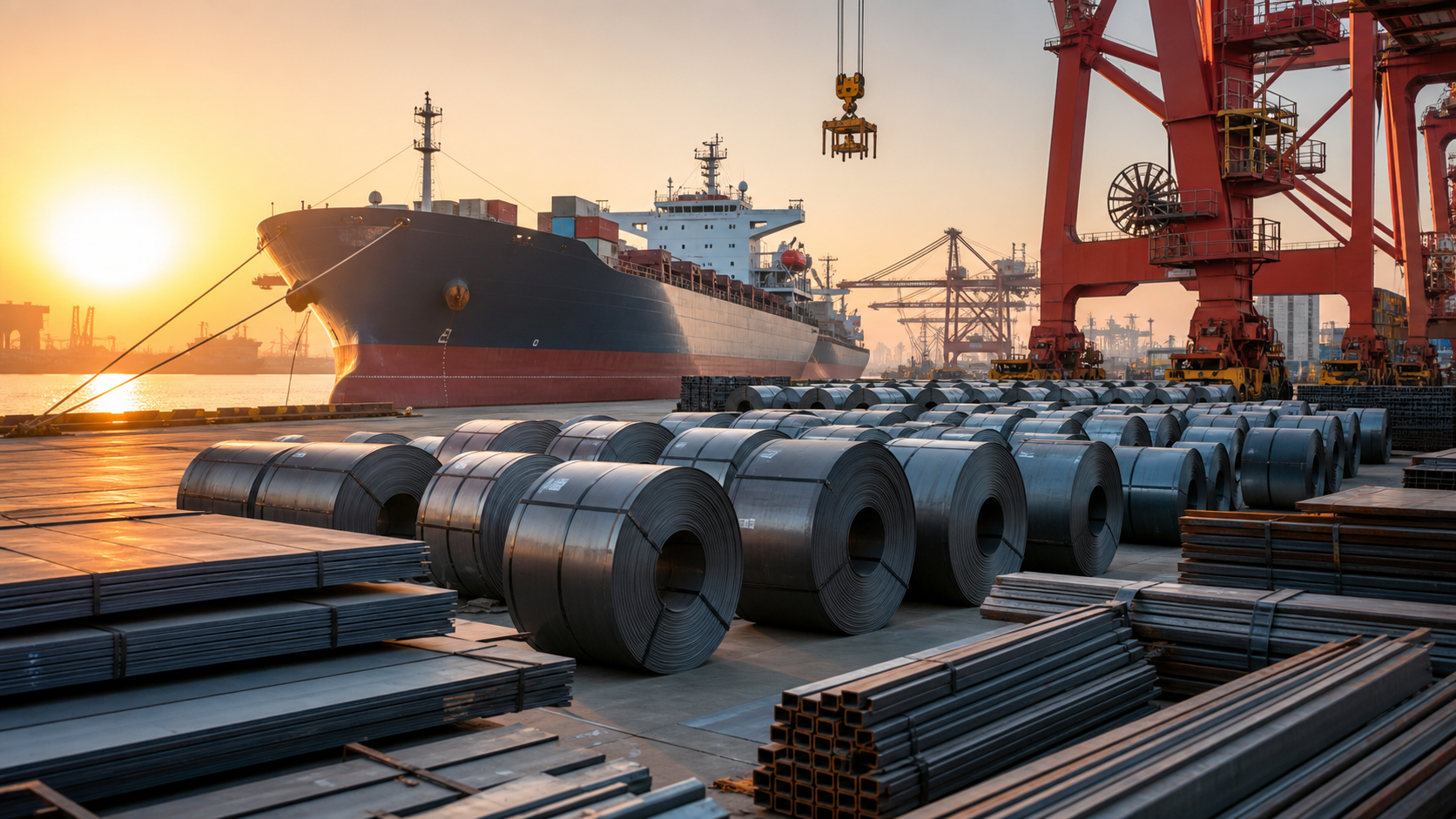
1) Softer HRC pricing shows exporters are still working to keep flow moving.
Mysteel's latest weekly assessments showed China's SS400 3mm HRC export pricing at Tianjin easing to around $485 per tonne FOB in late July after several weeks of slippage. That is not a collapse, but it is a signal that mills are still adjusting offers to keep finished-steel tons competitive in a more selective market.
For buyers, that softer pricing should be read as a screening mechanism rather than an invitation to chase volume blindly. When prices are easier but trade pathways are harder, the best orders are usually the ones that combine the right product with a destination and timing plan that can survive policy friction.
2) Trade reviews are pushing more caution into finished-steel bookings.
Recent Mysteel coverage also highlighted new anti-dumping review activity, including Australia's third sunset review on hollow structural sections and Vietnam's first review of duties on Chinese HRC. Even before any final outcome changes, those actions reinforce the message that finished-steel exports need more market-by-market discipline than a simple FOB comparison suggests.
The practical impact is that buyers are placing more value on origin clarity, specification fit, and destination suitability. In other words, a tradable order today is not just an order with a workable price. It is an order that can explain why the product belongs in that market and how it avoids turning into a compliance problem after shipment.
3) Product mix pressure is making execution quality part of the sale.
SteelRadar said this week that China's heavy plate market remains under supply pressure, while tariffs and trade barriers are weighing on export performance. That supports a broader pattern already visible across flat products: exporters can still move steel, but the mix is becoming more selective and less forgiving for cargoes without a clear end-use story.
In that environment, shipping execution becomes part of the commercial offer itself. Port readiness, document timing, packing clarity, and loading sequence all matter more when customers are already testing whether a finished-steel order is robust enough to justify import risk and internal approval.
4) The strongest August orders will be tied to visible downstream buying.
Buyers linked to fabrication schedules, manufacturing runs, or near-term project demand are better positioned than those trying to reserve tonnage without a clear consumption plan. When market access is tighter and the export mix is shifting, visible downstream demand gives mills and traders a stronger reason to prioritize a finished-steel order.
That is why August looks less like a broad-based export chase and more like a quality screen. China's steel export machine is still active, but the cleanest finished-steel business is concentrating around bookings that pair realistic pricing with a credible destination, a firm execution path, and real buying need at the far end.