1) Trade pressure is still shaping which export tons matter.
A fresh Steel Technology report said futures-led pricing moves in China are still jostling the global steel market and keeping Japanese producers alert to the rebound effect from Chinese output and exports. That does not shut export channels, but it does reinforce the idea that overseas buyers are watching Chinese tons through a more political and competitive lens.
In practice, that usually favors finished-steel orders with clearer end use and destination logic. When trade friction is active, the most durable orders are rarely the most speculative ones. They are the cargoes that can be explained quickly, documented cleanly, and received by buyers who already know how the steel will be consumed.
2) Shipping execution is becoming a harder commercial filter.
C.H. Robinson's August ocean freight update pointed to heavier congestion at major Asian transshipment hubs including Shanghai and Singapore, with schedule disruption reducing network reliability. For steel exporters, that matters because delays at the routing level can turn a workable order into a margin problem before cargo even reaches the discharge port.
The result is a tougher screen on shipment readiness. Mills and traders can still pursue export volume, but they are more likely to prioritize finished-steel business that arrives with stable specs, realistic sailing windows, and consignee details that do not require last-minute correction while capacity is tight.
3) Product mix is leaning toward shipment-ready finished steel.
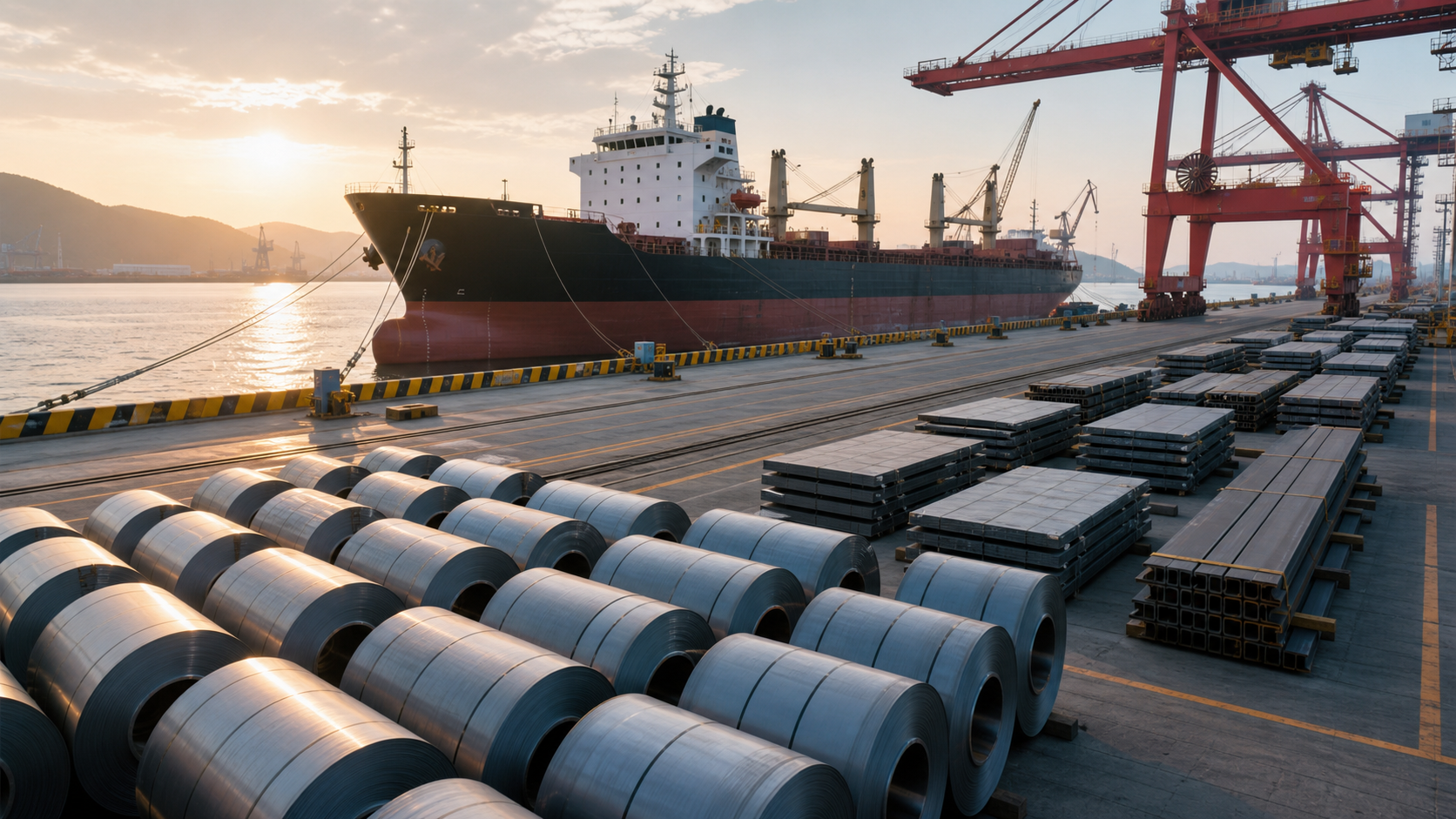
When trade sensitivity rises and logistics become less predictable, exporters tend to protect throughput with cargo that is easier to place and easier to move. That usually strengthens the case for plate, coil, section, and fabricated-ready finished steel over inquiries that depend on a later resale decision or vague project timing.
This is where demand quality matters. Buyers connected to active fabrication schedules, infrastructure lots, or near-term manufacturing runs are in a better position than buyers shopping only for optional inventory. The question is no longer just whether China can ship. It is whether a specific order can survive both the trade screen and the shipping screen without friction.
4) What buyers should do now.
Buyers sourcing from China this week should come prepared with end use, destination, booking path, and shipment timing already aligned. That preparation gives suppliers more confidence that the order can clear both external scrutiny and route-level execution pressure, especially on lanes exposed to transshipment delays.
YQ Steel's reading for August 20 is that the export window remains open, but the winning order is becoming more selective. The finished-steel inquiry with the best odds now is the one that combines credible demand, disciplined paperwork, and a shipping plan strong enough to absorb congestion without breaking execution.