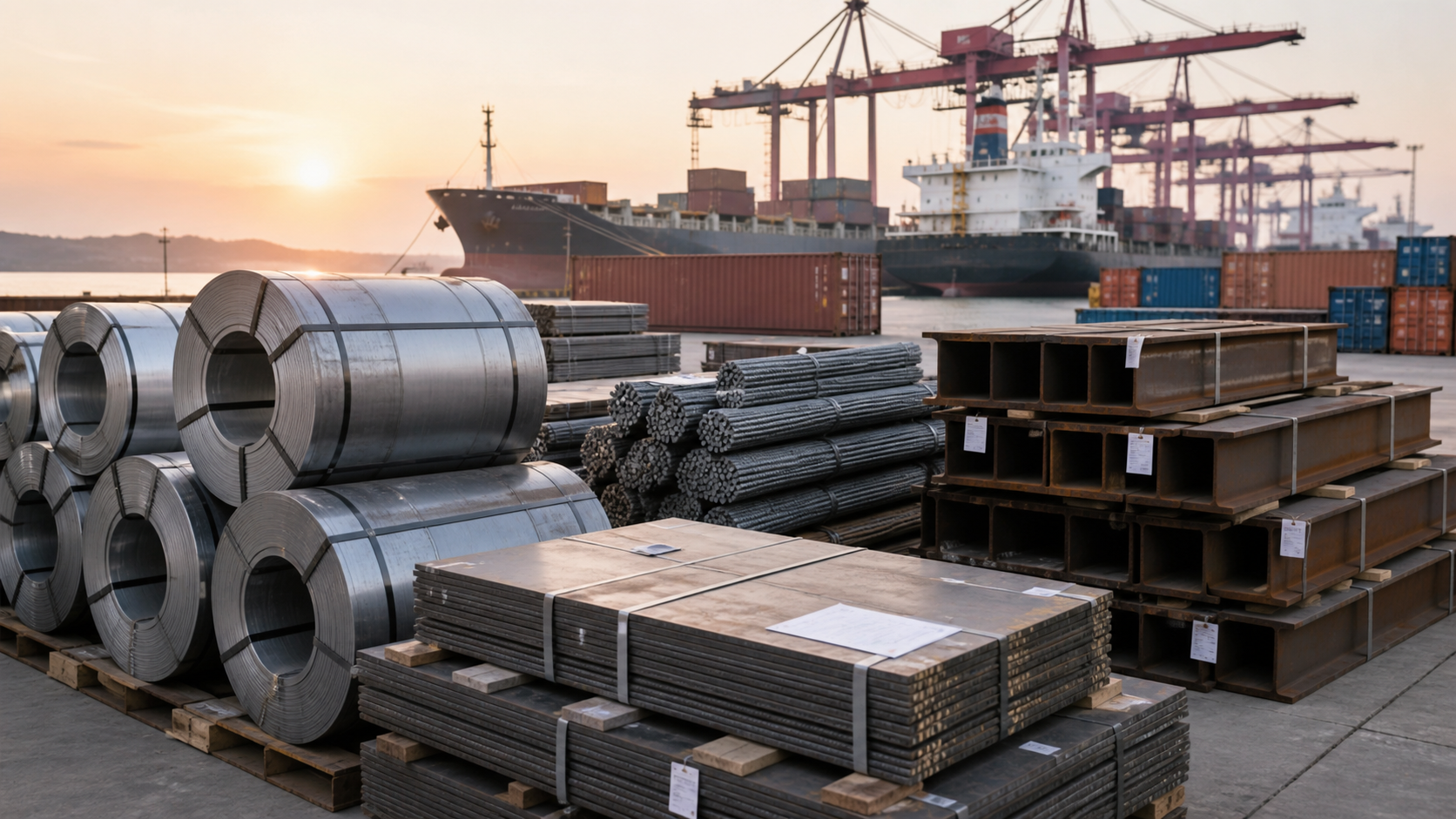
1) Product mix is now the first screen.
IndexBox's recent summary of Fitch Ratings' 2026 steel view highlighted a split in China's first-seven-month export pattern: finished-steel shipments weakened while semi-finished billet and slab exports strengthened. For buyers, the useful takeaway is not just that tonnage is shifting, but that mills and traders are becoming more selective about which finished-steel orders deserve capacity and loading attention.
That makes product definition more valuable than broad market language. Hot-rolled coil, plate, rebar, beams, angles, channels and coated sheet each carry different end-use expectations, packing rules, certificate language and customs sensitivity. A clear specification file now helps the supplier judge execution risk before price negotiation becomes too narrow.
2) Trade friction raises the cost of vague orders.
Recent Latin American market coverage also pointed to cheap Chinese steel remaining a major force in regional trade even where tariff barriers and anti-dumping measures are in place. That reinforces a familiar lesson for finished-steel buyers: the destination market has to be part of the inquiry from the start, not a detail added after a low offer is found.
When trade friction is active, the practical checklist expands. Buyers should align HS code, grade, coating or surface description, final application, mill certificate wording, inspection needs and consignee import exposure before cargo is booked. The more exposed the destination, the less tolerance there is for loose descriptions or late paperwork corrections.
3) Port-ready execution separates quotes from shipments.
Port and shipping discipline is the daily operating divider. Finished products need workable bundle weights, lifting points, shipping marks, moisture protection, packing photos, vessel timing and container or breakbulk loading plans. If those details are unfinished, a quote can look competitive while the shipment remains difficult to schedule.
The stronger semi-finished lane matters because billet and slab can absorb export pressure when finished products face tighter trade screens. Finished-steel buyers should treat that as a warning to make their own orders easier to produce, inspect, document and load, especially when late-August vessel space and warehouse sequencing are already being negotiated.
4) YQ Steel's working view for August 29.
YQ Steel reads today's export window as selective rather than closed. The buyers with the best chance of moving finished steel are those who can show a real project or resale need, a clear product file, a realistic shipment period and destination documents that match the cargo description.
For new inquiries, the first message should include product, grade, size range, quantity split, packing preference, destination port, target shipment window, certificate requirements and any import-market restrictions already known. In the current market, that preparation can be worth as much as another small price concession because it lowers the risk of delay at the mill, port and customs desk.