1) Finished products need a sharper mix decision.
Recent market summaries of Fitch Ratings' 2026 steel view point to a split in China's export pattern: finished-steel shipments have come under more pressure while semi-finished billet and slab flows have strengthened. That matters for buyers because the available tonnage is no longer the only question; the mill also needs to know whether the order fits the right product lane.
For hot-rolled coil, plate, rebar, beams, angles, channel steel and coated sheet, the useful inquiry now starts with grade, size range, tolerance, packing, end use and destination port. A buyer who can separate project material from general resale stock gives the supplier a better basis for capacity, inspection and loading decisions.
2) Trade friction is part of the quote.
The same search picture shows trade pressure still surrounding Chinese steel in a number of destination markets, from tariff barriers to anti-dumping reviews and tighter import checks. Even where demand remains active, destination risk is increasingly shaping which finished-steel orders are simple enough to quote and ship.
That turns paperwork into a commercial issue. HS code alignment, product description, mill certificate wording, coating or surface details, final application and consignee import exposure should be checked before the cargo plan is locked. Late corrections can turn a cheap offer into a slow shipment.
3) Port execution decides which orders move first.
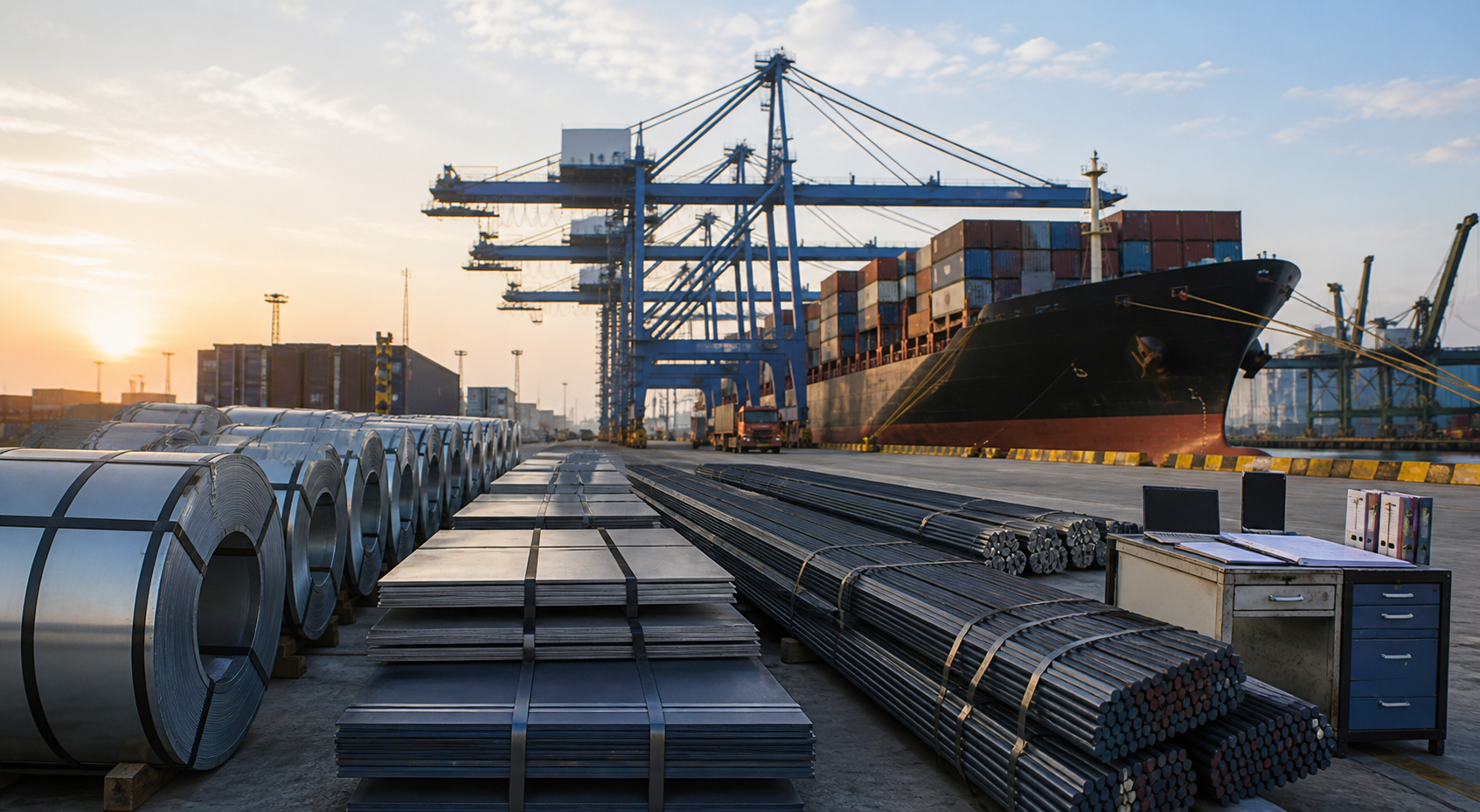
Port-side execution is also becoming a stronger filter. Export cargoes need realistic bundle weights, clear shipping marks, moisture protection, lifting plans, inspection photos, vessel timing and container or breakbulk instructions. These are practical details, but they decide whether a finished-steel order can move smoothly through the yard and terminal.
Freight indicators and shipping dashboards continue to keep attention on route cost and schedule discipline. For steel buyers, the point is straightforward: treat port readiness as part of procurement, not as an afterthought handled after the price is accepted.
4) YQ Steel's working view for August 30.
YQ Steel reads today's export window as selective, not closed. The best-positioned buyers are those who can show real demand, choose the right finished-steel product mix, and prepare a document package that matches the cargo and destination market.
For new inquiries, include product, grade, size, quantity split, packing preference, destination port, target shipment window, certificate needs and any known import restrictions. In the current market, that level of preparation can help a finished-steel order earn faster attention from the mill, warehouse, port and customs desk.