1) Product mix is the first screen.
Recent market coverage of Fitch Ratings' 2026 China steel view points to a clear split in export flow: finished-steel shipments are under more pressure, while semi-finished billet and slab exports have been stronger through the first seven months of the year. For buyers, that means the question is no longer only whether Chinese mills can supply tonnage; it is whether the requested product sits in a workable finished-steel lane.
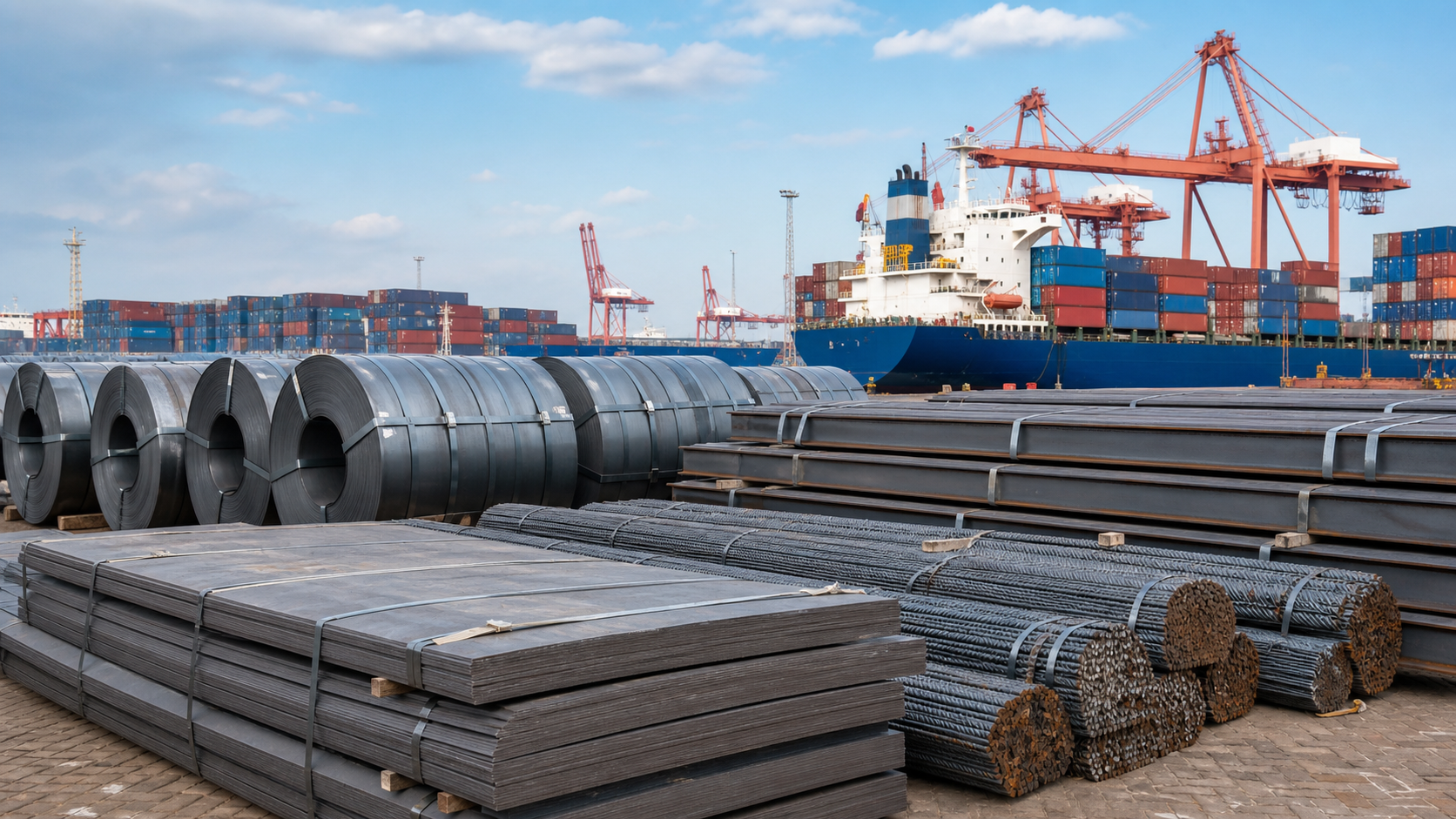
Hot-rolled coil, plate, coated sheet, rebar, beams, angles and channel steel should be quoted with grade, size, tolerance, packing, certificate needs and end use from the start. A mixed inquiry can still work, but it should separate project material from resale stock so the mill, warehouse and shipping team can judge risk without reworking the file later.
2) Trade friction keeps shaping destinations.
Search results this week also show Chinese steel remaining a focus for tariff barriers and import controls in several destination markets, including Latin America and wider steel-importing regions. Those measures do not stop every order, but they make unclear destination logic more expensive for buyers and suppliers.
The practical response is to treat HS code, product description, origin document, mill certificate wording and final application as part of the commercial quote. When those details are checked before payment terms and vessel timing are fixed, the buyer has a better chance of avoiding late documentation changes or customs delays.
3) Freight and port execution are back in the foreground.
Freight-market summaries for late August continue to flag dry and container shipping pressure, from route enforcement issues to canal, river and surcharge risks. Steel cargo is heavy, schedule-sensitive and document-heavy, so even a good mill offer can lose value if the loading plan is vague.
Finished-steel buyers should define bundle weights, loading method, moisture protection, lifting points, shipping marks, inspection photo requirements and target sailing window before the order moves from price discussion to execution. Those details make it easier to choose between container, breakbulk or mixed logistics options.
4) YQ Steel's working view for August 31.
YQ Steel reads today's market as selective rather than closed. Demand linked to projects, fabrication and manufacturing can still support finished-steel buying, but stronger inquiries are the ones that prove the cargo has a real destination, a realistic shipment plan and a document set that matches the product.
For new August 31 inquiries, send product name, grade, size range, quantity split, packing preference, destination port, requested shipment window, certificate requirements and any known import restrictions. In the current export environment, clarity is not administrative overhead; it is what helps a finished-steel order move first.