1) Product mix remains the first filter.
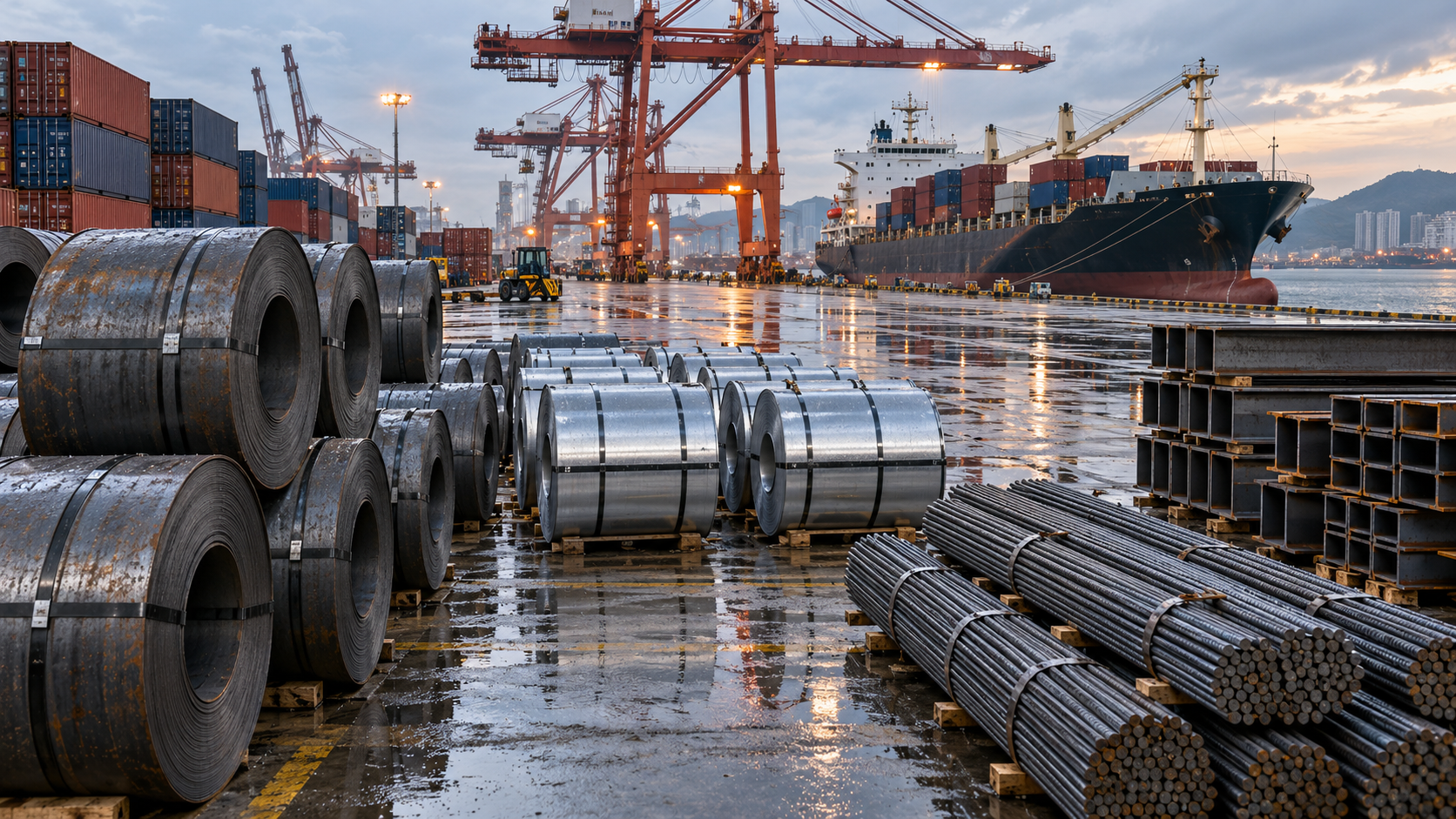
China steel export discussions on October 11 are still starting with product mix rather than one simple price headline. Buyers are comparing coated coil, cold-rolled coil, rebar, wire rod, plate and structural sections against destination rules, packing needs and realistic shipment windows.
That selectivity matters because each finished-steel product carries a different execution profile. Coil cargo needs surface protection and tighter moisture control, while long products need stable bundling, clear markings and weight discipline that can pass port and destination checks without rework.
2) Port-fee uncertainty is part of freight planning.
Recent trade coverage points to the United States and China extending a trade truce while port-fee measures affecting China-linked vessels remain a live risk. Even when a measure is deferred or still pending, buyers do not treat it as background noise because shipping cost assumptions can change quickly near booking.
For steel buyers, the practical question is whether a quoted shipment can hold its cost and timing if carrier selection, vessel ownership exposure or route availability changes. October bookings should therefore compare FOB steel price, expected freight, vessel cut-off dates and any destination surcharges as one combined execution picture.
3) Trade friction keeps destination screening active.
Reuters coverage of regional steel markets also shows how cheap Chinese steel remains a pressure point for overseas producers, including in markets where domestic mills are trying to protect home demand. That pressure keeps anti-dumping, safeguard and quota discussions close to finished-steel purchasing decisions.
Buyers should check HS code, origin wording, mill certificate requirements and any product-specific remedy before treating an offer as final. The risk is not only a higher landed cost; it can also be a customs delay, document correction or last-minute product substitution when a project needs predictable delivery.
4) YQ Steel's working view for October 11.
YQ Steel reads today's market as active but increasingly execution-led. The strongest inquiries are the ones that identify the exact product, standard, grade, size range, quantity, destination port, packing method, inspection requirement and preferred shipment week before price negotiation reaches the final round.
For October shipments, buyers should also ask suppliers to confirm port plan, cargo readiness sequence and document wording early. A clear finished-steel order is now a mix of price, product suitability, trade compliance and shipping discipline, not just the lowest FOB number on the day.